

Dubai Stocks Gain 10.1% In Six Months, Outperforming Global Markets
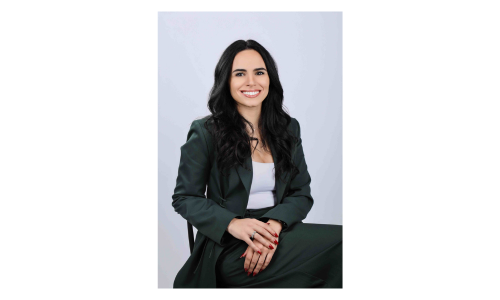
Dubai’s stock market has outperformed major global indices over the past six months, with the DFM General Index rising 10.1% despite uncertainty surrounding artificial intelligence (AI) valuations, rising bond yields and persistent inflation, according to Nagham Hassan, Market Analyst at etoro.
Over the same period, the S&P 500 declined 0.3%, while the Nasdaq 100 fell 6.1%. Asian markets recorded steeper losses, with Japan’s Nikkei down 2.5%, China’s Shanghai Composite declining 14% and South Korea’s KOSPI falling 30%. London’s FTSE 100 gained just 2.1%.
Hassan explained that Dubai’s resilience is partly due to its limited exposure to technology stocks, which have been heavily affected by the global AI and semiconductor sell-off.
All eight DFM sector indices have risen over the past six months, led by consumer discretionary stocks at 28%, followed by financials at approximately 16% and communication services at 15%. Real estate also gained 9% over the past month.
Hassan noted that these gains reflect confidence across Dubai’s economy rather than strength in a single sector.
Despite ongoing regional geopolitical uncertainty, the DFM General Index has remained resilient, although it is still approximately 8% below its February peak.
According to DFM trading data, UAE nationals recorded net purchases of approximately AED 5.1 billion over the past year, helping absorb foreign selling during periods of market weakness.
Foreign investment has also returned, with investors from outside the Gulf and wider Arab region recording net purchases of AED 1.16 billion over the past month. Institutional investors bought approximately AED 1.74 billion, while individual investors sold a similar amount.
Trading value reached approximately AED 20.3 billion, around 25% above the six-month monthly average, while futures activity remained limited.
Looking ahead, Hassan highlighted that a return to February’s market peak will depend on sustained foreign and institutional buying, alongside greater regional geopolitical stability.